How to Choose a Horse Halter for Different Breeds
Choosing the right horse halter isn’t just about selecting your favorite color or hardware. Every horse breed has unique head proportions, facial structure, and overall size, making proper halter selection essential for comfort, safety, and everyday handling.
Whether you own an elegant Arabian, a muscular Quarter Horse, or a large Draft horse, understanding breed-specific sizing helps ensure the perfect fit.
In this guide, you’ll learn how to choose a horse halter for different breeds, how sizing varies between horses, and what features to look for when purchasing a quality halter.
Why Breed Matters When Choosing a Horse Halter
Not all horses have the same head shape.
While two horses may stand at similar heights, their facial structure can be completely different.
For example:
- Arabians often have refined, shorter heads.
- Quarter Horses usually have broader cheeks.
- Warmbloods have longer facial profiles.
- Draft horses require significantly larger dimensions.
- Ponies need narrower and shorter fittings.
Choosing a halter based solely on height can result in poor fit and discomfort.
Standard Horse Halter Sizes
Most manufacturers offer six common sizes.
| Halter Size | Typical Horse Type |
|---|---|
| Mini | Miniature Horses |
| Pony | Ponies |
| Cob | Arabians, Morgans, Cobs |
| Full | Quarter Horses, Thoroughbreds, Warmbloods |
| X-Full | Larger Warmbloods, Friesians |
| Draft | Draft Horses |
Always compare your horse’s measurements with the manufacturer’s size chart, as sizing may vary between brands.
Horse Halter Recommendations by Breed
Quarter Horse
Quarter Horses generally have muscular necks and broad heads.
Recommended size:
- Full (most adults)
- Cob (smaller individuals)
Look for:
- Adjustable crownpiece
- Wide noseband
- Durable hardware
Arabian Horse
Arabians have elegant, refined heads with smaller muzzles.
Recommended size:
- Cob
- Occasionally Pony for smaller Arabians
Choose a halter with multiple adjustment points for a snug but comfortable fit.
Thoroughbred
Thoroughbreds often have long, narrow heads.
Recommended size:
- Full
A halter with adjustable cheek pieces helps achieve a better fit.
Warmblood
Warmbloods are typically taller with larger heads.
Recommended size:
- Full
- X-Full for larger horses
Extra adjustment around the crown and noseband is beneficial.
Draft Horse
Draft horses require specially designed halters.
Recommended size:
- Draft
Using a standard Full halter usually won’t provide enough room around the nose and poll.
Pony
Ponies vary greatly by breed.
Recommended size:
- Pony
- Cob for larger ponies
Always measure before purchasing.
Measure Before You Buy
Breed recommendations are helpful, but measuring your horse provides the most accurate fit.
Measure these areas:
Nose Circumference
Wrap a measuring tape around the nose where the noseband will sit.
Poll Length
Measure from one side of the cheek, over the poll, to the opposite side.
Cheek Length
Measure from the noseband to the crownpiece.
Compare these measurements with your supplier’s sizing chart.
Features to Look for in a Quality Horse Halter
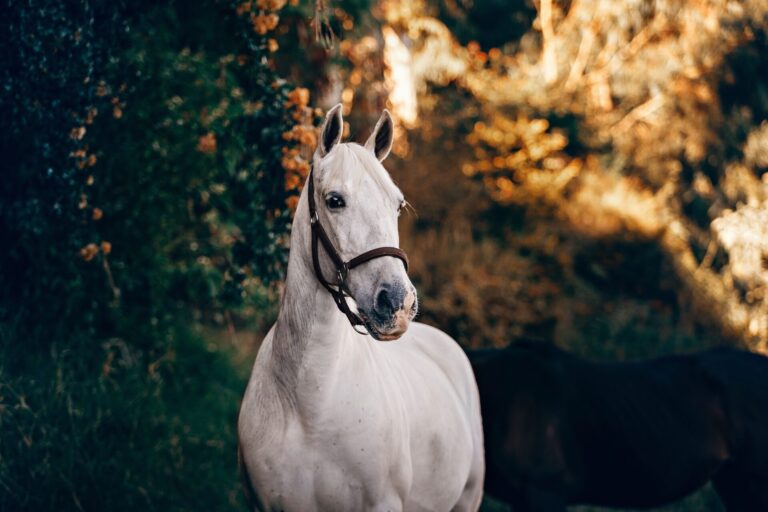
A good horse halter should offer more than the correct size.
Look for:
- Adjustable crownpiece
- Adjustable noseband
- Strong stitching
- Smooth edges
- Heavy-duty hardware
- Durable webbing
- Comfortable fit
If you’re using the halter every day, durability becomes even more important.
Why Waterproof PVC Horse Halters Are a Smart Choice
Modern horse owners are increasingly choosing waterproof PVC horse halters over traditional nylon options.
Advantages include:
- Waterproof
- Easy to clean
- Odor resistant
- Mud resistant
- UV resistant
- Strong polyester webbing core
- Bright colors that won’t absorb water
These features make PVC halters especially popular among riding schools, horse farms, equestrian retailers, and wholesale buyers.
Common Horse Halter Fitting Mistakes
Avoid these common errors:
Buying by Breed Alone
Not every Quarter Horse or Arabian has identical head measurements.
Ignoring Adjustability
An adjustable halter can accommodate slight differences between horses.
Choosing a Halter That’s Too Tight
Pressure points can lead to rubbing and discomfort.
Choosing One That’s Too Loose
Loose halters may rotate, slip, or reduce control during handling.
Wholesale Tips for Equestrian Brands
If you’re sourcing horse halters for your business, consider suppliers that offer:
- Complete size range (Mini to Draft)
- OEM & private label services
- Low minimum order quantities
- Waterproof PVC webbing
- Zinc alloy, brass, or stainless steel hardware
- Custom colors
- Logo printing or laser engraving
Offering multiple sizes helps retailers meet the needs of customers with different horse breeds.
Frequently Asked Questions
1. Can one horse halter fit every breed?
No. Different breeds have different head shapes and proportions, so selecting the appropriate size is important.
2. Which horse breed usually wears a Cob halter?
Arabians, Morgans, Cobs, and some smaller Thoroughbreds commonly wear Cob-sized halters.
3. What size halter fits most Quarter Horses?
Most adult Quarter Horses wear a Full size, although smaller individuals may fit Cob.
4. Should I measure my horse even if I know its breed?
Yes. Measuring your horse ensures the best possible fit because individual horses vary within the same breed.
5. Are waterproof PVC horse halters better than nylon?
PVC horse halters are easier to clean, waterproof, odor resistant, and generally require less maintenance than traditional nylon halters.
Conclusion
Learning how to choose a horse halter for different breeds begins with understanding that every horse is unique. While breed guidelines provide a useful starting point, accurate measurements and adjustable designs deliver the best fit.
Whether you’re purchasing a halter for personal use or sourcing products for your equestrian brand, selecting the right size improves comfort, enhances safety, and extends the life of the halter.
A well-fitted, durable waterproof PVC horse halter is an investment that benefits both horse and handler for years to come.